
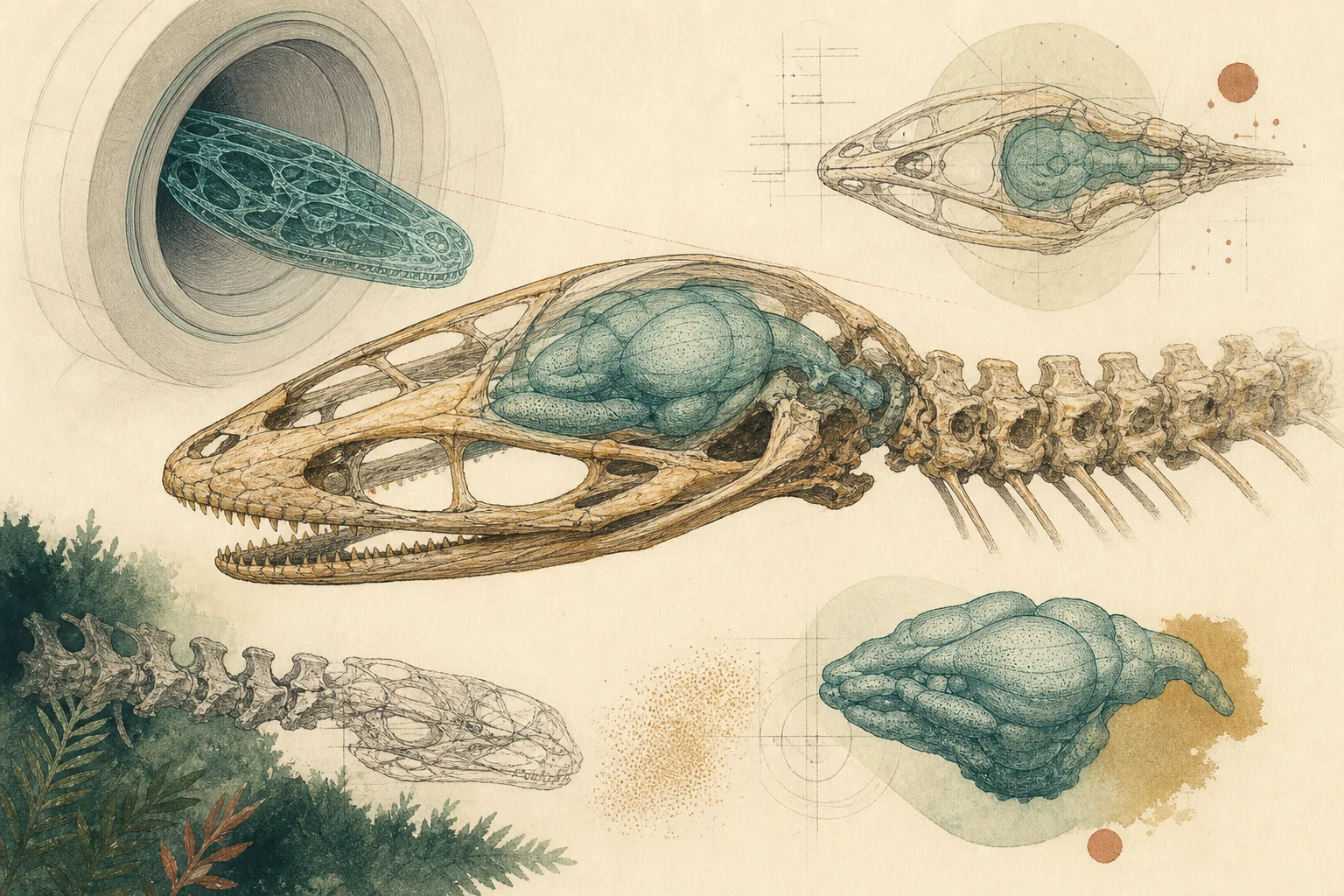
Scientists Found an 80-Million-Year-Old Snake Brain—Sort Of
Scientists reconstructed the brain of an 80-million-year-old fossil snake. Learn what it reveals about snake evolution in this guide for kids.
Read this Field Note →Can scientists rebuild the brain of a snake that lived 80 million years ago? Where do reptile colours come from? What makes a birthday or school presentation unforgettable?
Field Notes turns fascinating animal research and real presentation experience into stories children and grown-ups can explore together. Each note begins with a curious question and follows the evidence toward a clear, useful answer.
Reptile know-how from the field, explained for curious families. Just bring your questions.
Scientists reconstructed the brain of an 80-million-year-old fossil snake. Learn what it reveals about snake evolution in this guide for kids.
Read this Field Note →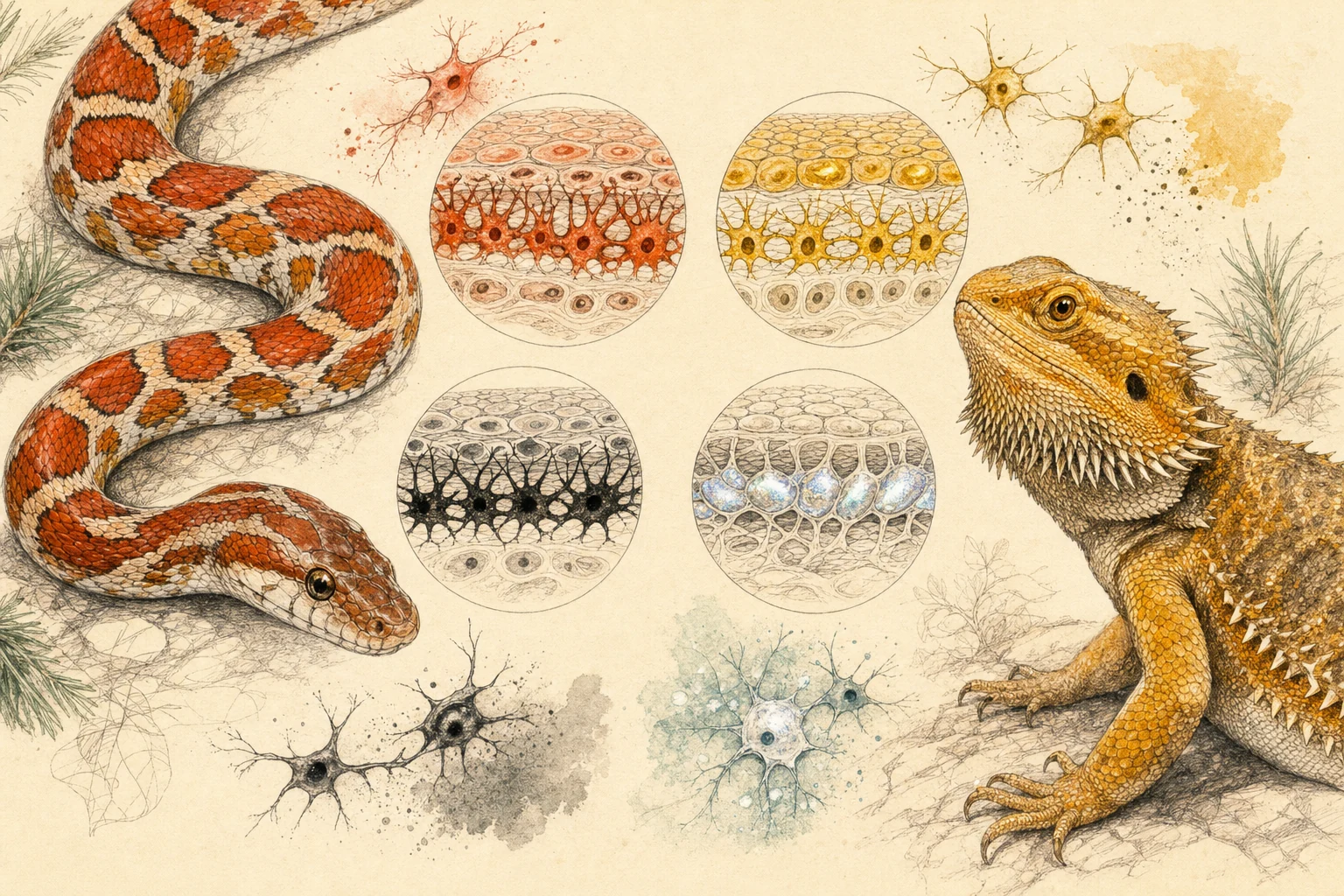
Discover how pigment cells create corn snake colours and reptile patterns. A simple explanation of new reptile science for children and families.
Read this Field Note →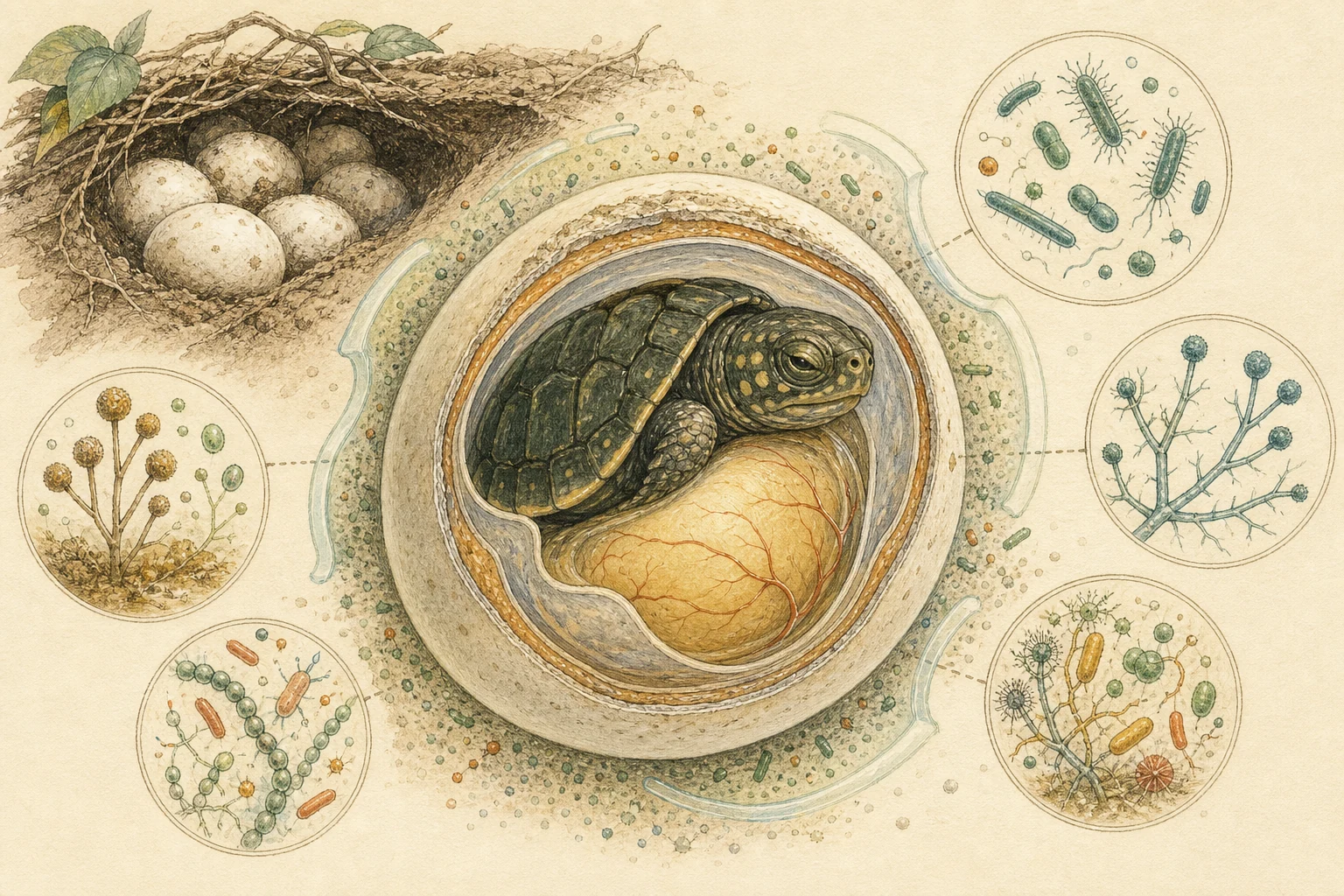
Turtle eggs contain communities of tiny microbes. Learn how bacteria and fungi may affect turtle health and hatching success.
Read this Field Note →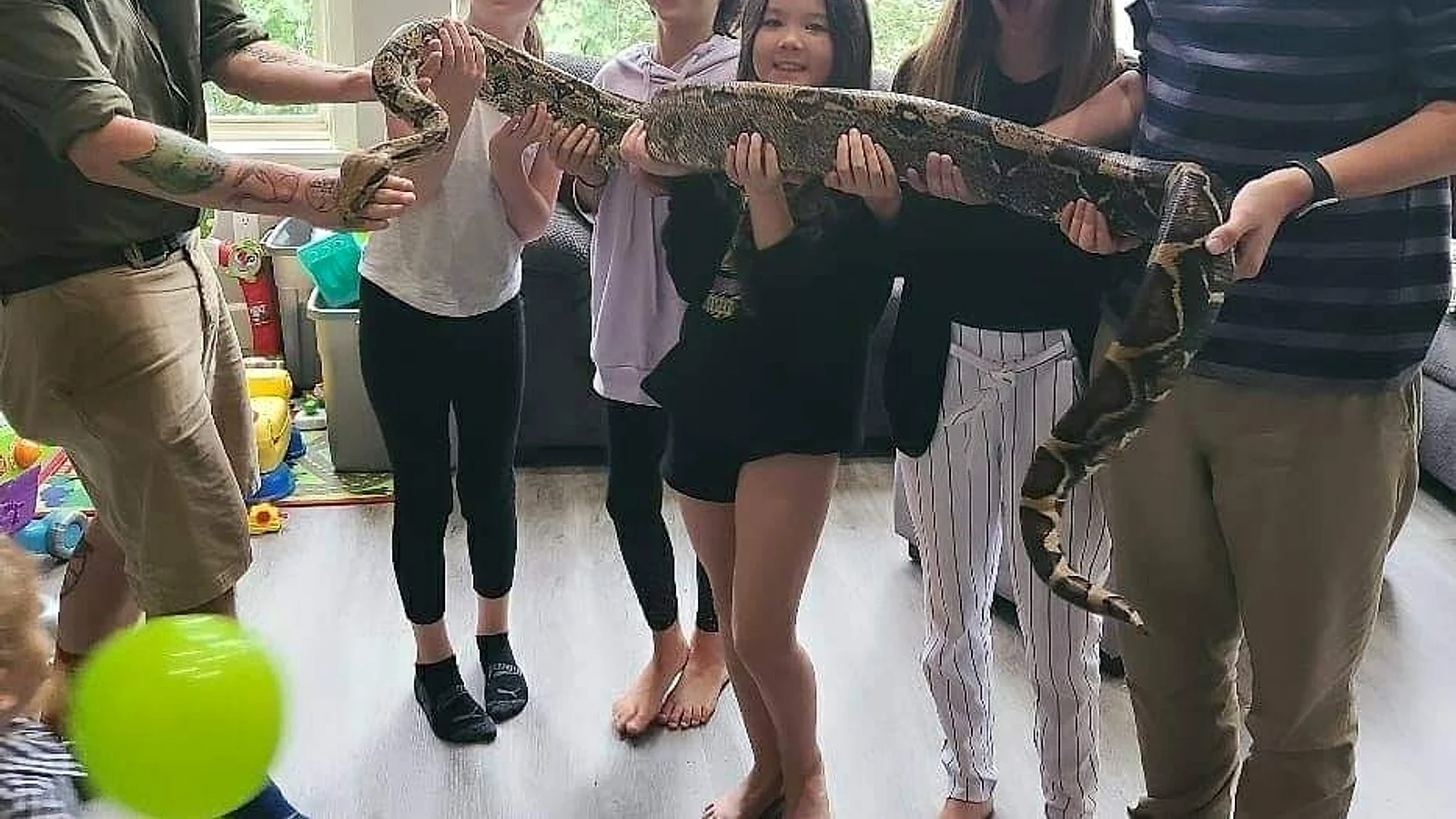
Looking for a memorable children’s birthday party idea in Metro Vancouver? Discover how a live reptile presentation combines fun, learning and conservation.
Read this Field Note →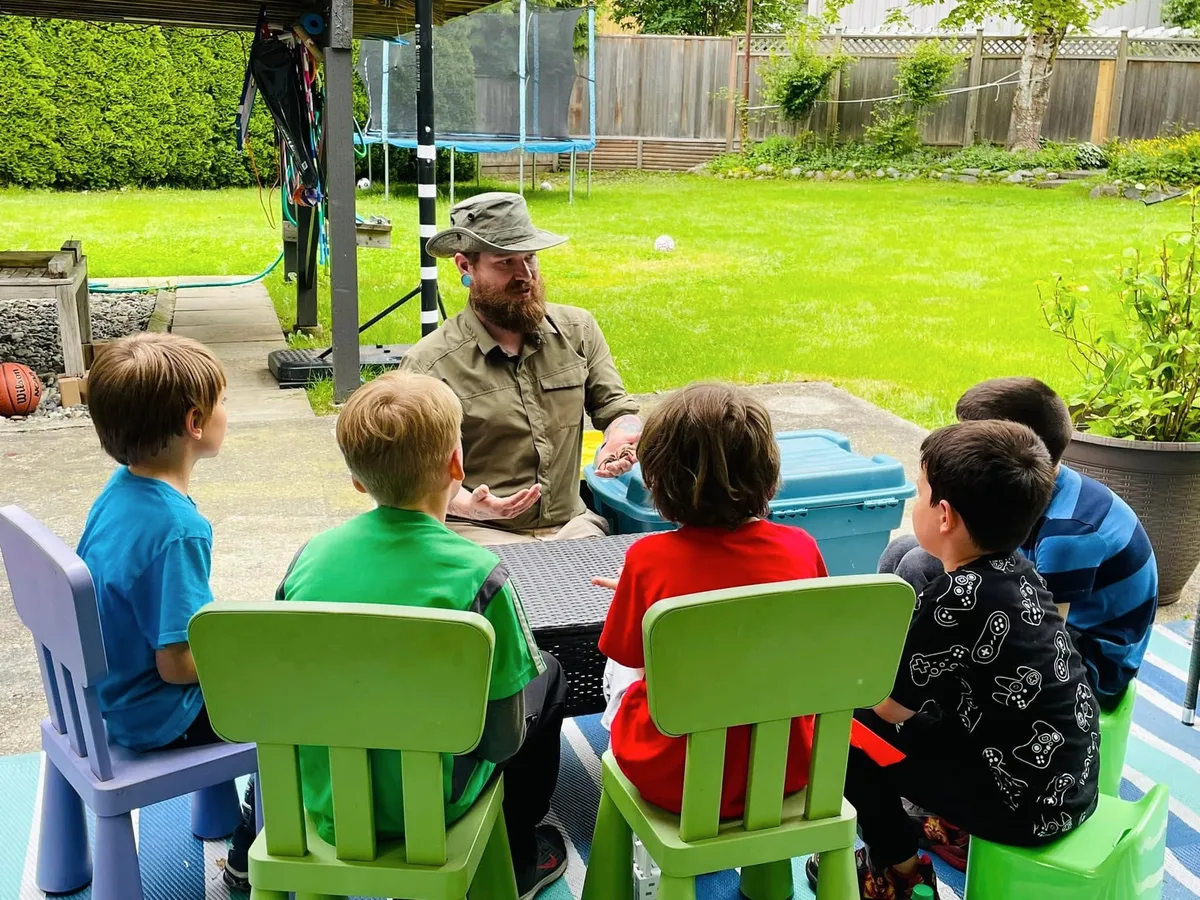
Book a mobile reptile presentation for a school, library, daycare, summer camp or community program in Metro Vancouver. Educational, engaging and fully insured.
Read this Field Note →A surprising animal mystery or planning question worth exploring.
From fossil scans and microscopes to two decades of presentation experience.
The clearest answer the evidence and experience currently give us.
Good answers usually lead to even better questions.
 Read it together. Then keep wondering.
 There is no single right question—and the strange questions are often the most interesting ones.
 Meet the science in real life
 During a Wild Encounter, children can investigate animal adaptations by watching, asking questions and, when appropriate, meeting selected animals under careful guidance.